

Selling on WhatsApp
WhatsApp Catalog vs Website: Which Should You Actually Build?
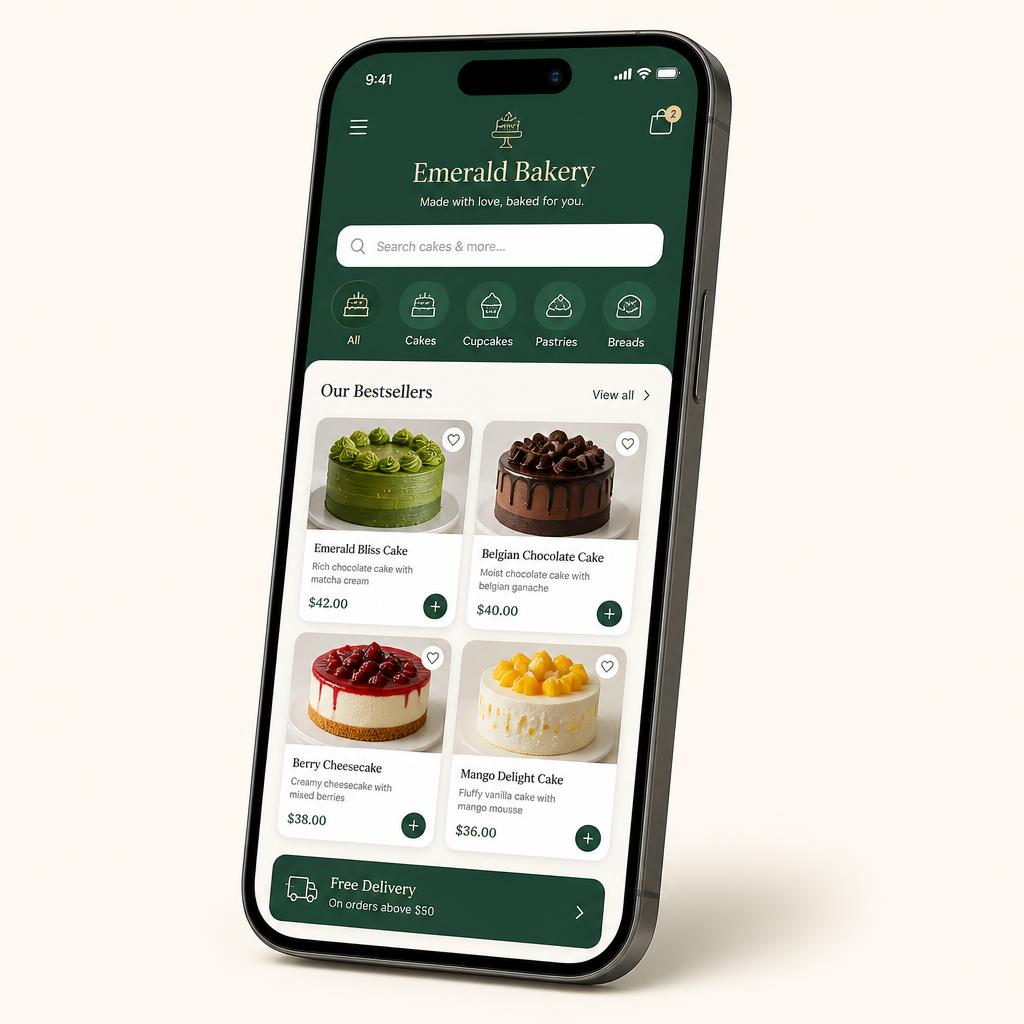
The short answer
If your customers already find you on WhatsApp and Instagram, a WhatsApp catalog beats a website — for now. It's faster to set up, costs less than one good cake, and meets buyers where they already talk to you. A full website wins later, when you want Google search traffic, ads, and a brand that stands on its own.
Most micro-sellers don't need a website yet. They need their DMs to stop being their order system.
What a WhatsApp catalog actually is
Not a PDF you keep re-sending. A WhatsApp catalog is a live link — one link in your bio or your WhatsApp Business profile. A customer taps it, sees your full menu with photos and prices, adds items, and the order lands in your dashboard (or your WhatsApp) with everything filled in. They pay you directly over UPI; you confirm each payment yourself.
Think of it as your shop counter, except it fits inside the chat app your customers never close.
What a website gives you that a catalog doesn't
Honest list, because the catalog doesn't win everywhere:
- Google search traffic. People searching "home baker near me in Hyderabad" find websites, not catalog links. A catalog has no SEO.
- Brand control. Your domain, your design, no platform name in the URL.
- Paid ads. You can send ad traffic to a website landing page; sending it to a catalog link converts worse.
- Discoverability beyond your network. A catalog only works for people who already found you. A website can find strangers.
The verdict, by stage
| Your stage | Build this | Why |
|---|---|---|
| Just starting out, under ~₹15k/month revenue | WhatsApp catalog | Zero setup friction, costs nothing to start, customers are already in your DMs |
| Regular orders, 20–50 a month | WhatsApp catalog | This is where DM chaos costs you real money — a catalog fixes exactly this |
| Scaling: shipping pan-India, running ads | Catalog + website | Website for discovery and ads, catalog link for WhatsApp-first buyers |
| Established brand, hiring, B2B/corporate | Website first | You're playing a different game now — corporate buyers expect a domain |
The key insight: a catalog and a website aren't rivals. They're steps. The catalog is step one; it pays for the website later.
The cost comparison that actually matters
A decent small-business website in India costs ₹25,000+ to build, plus hosting, plus someone to maintain it. Then every order through it typically pays a commission or payment-gateway fee on top.
A WhatsApp catalog (SnapCatalog's, anyway): free up to 3 products forever. Pro — unlimited products, order tracking, the works — is ₹499/month + GST. No commission. Your customers pay you directly via UPI, so there's no gateway cut on your orders. As the line on our pricing page puts it: we never touch your money.
FAQ
Is a WhatsApp catalog free?
SnapCatalog's free tier is ₹0 forever for up to 3 products — enough to test the whole flow with real orders before paying anything.
Can customers pay online through a WhatsApp catalog?
Yes. Customers pay your UPI ID directly; you confirm each payment in the dashboard. No payment gateway, no commission, no money passing through the platform.
Does a WhatsApp catalog show up on Google?
No — and this is the real tradeoff. If search discovery matters to you today (most micro-sellers live on Instagram + WhatsApp referrals instead), the catalog wins. Add a website when Google traffic becomes part of your plan.
Can I move from a catalog to a website later?
Your products, photos, and prices carry over — re-listing takes minutes. Many sellers run both: website for Google, catalog link for WhatsApp buyers.
What's the catch with 0% commission?
There isn't one. The platform makes money from Pro subscriptions — that's it. No commission, no ads, no selling your data.